We service most makes and models. Every job starts with a clear explanation and a written estimate.
Modern vehicles are managed by a network of electronic control modules that monitor hundreds of parameters. When something falls outside the expected range — whether it's an engine misfire, a faulty sensor, or an emissions issue — the system stores a diagnostic trouble code and, in many cases, activates a warning light on the dashboard.
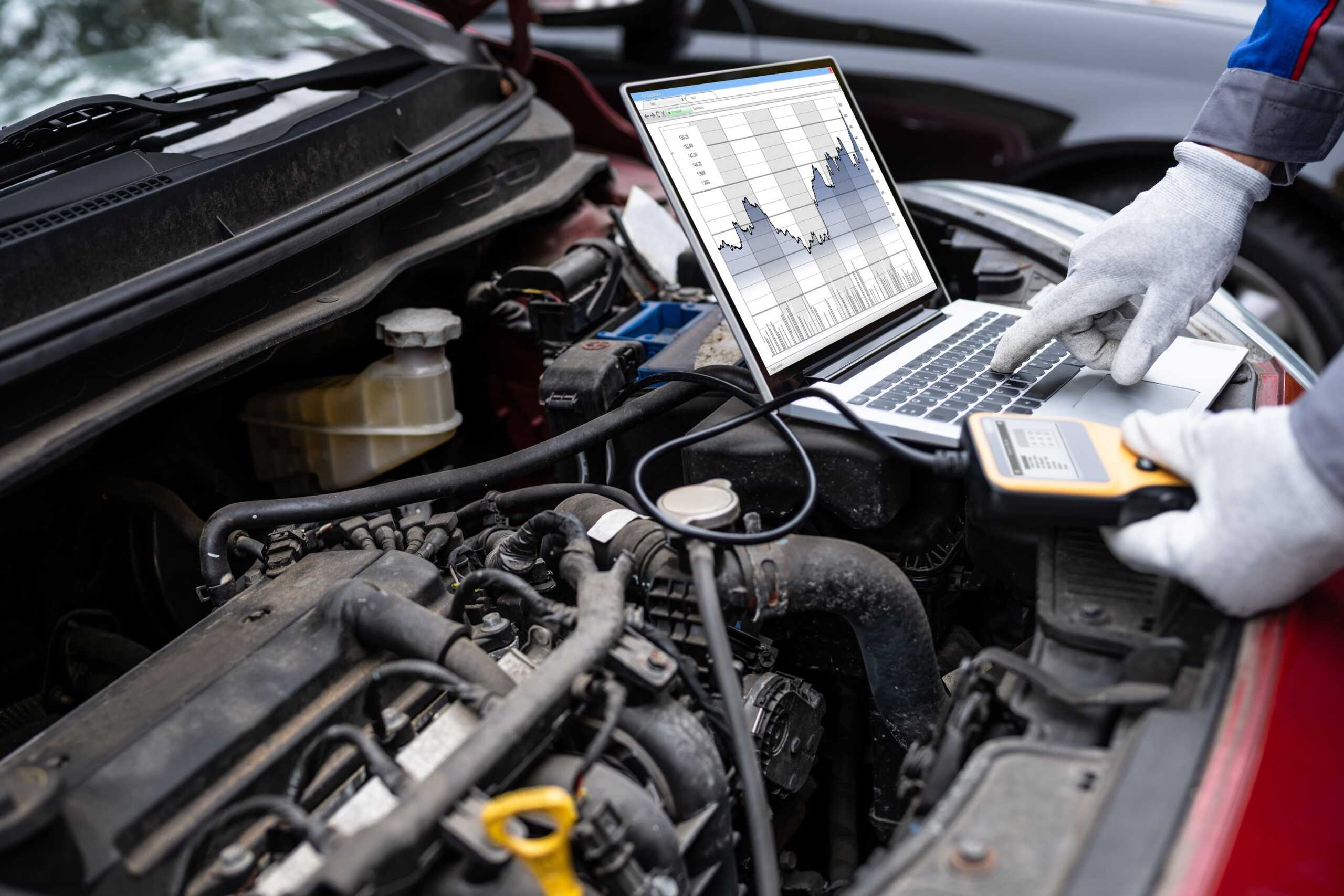
Our diagnostic process goes beyond simply reading the stored code. We use professional-grade OBD-II scan tools to retrieve codes and live data, and then combine this with a hands-on physical inspection to confirm the root cause. This matters because the same code can be triggered by multiple different faults — addressing the symptom without confirming the underlying problem often leads to a repair that doesn't solve the issue.
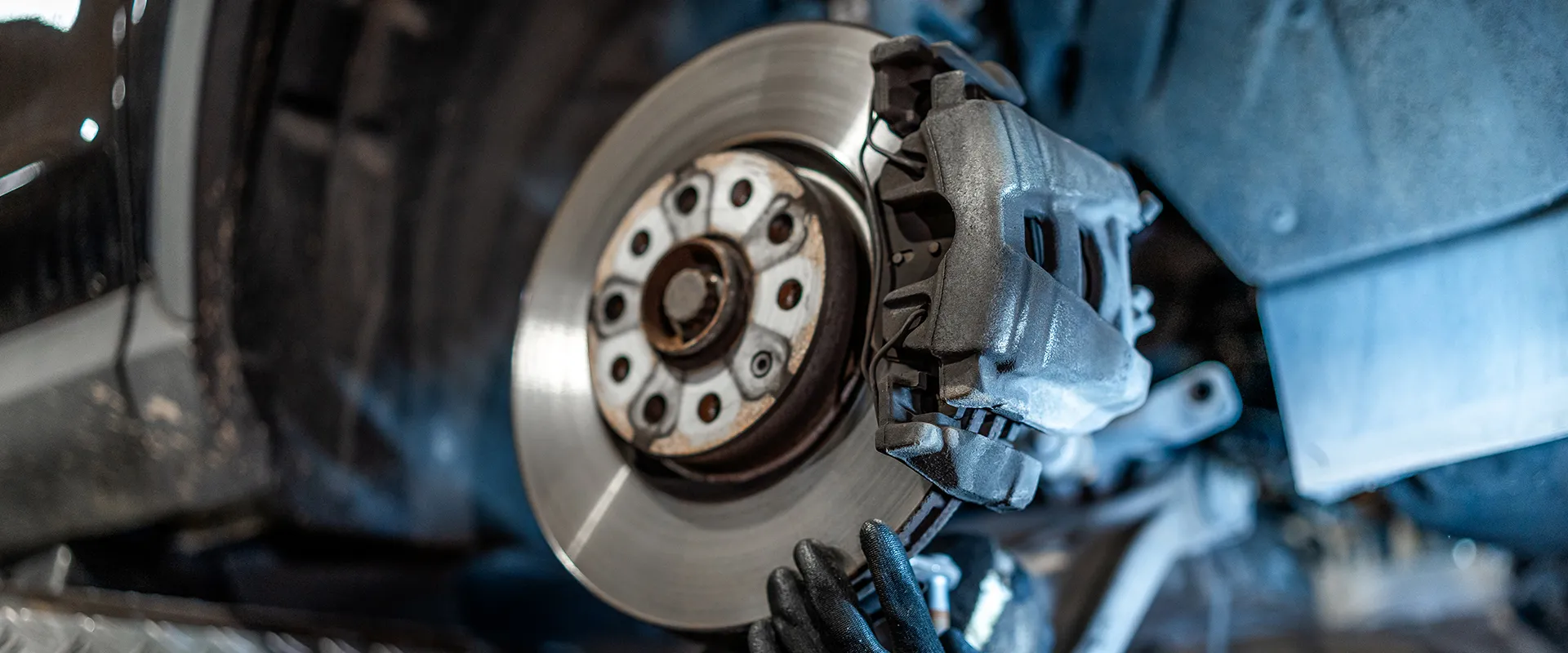
Brake system condition is directly tied to safety on the road. Worn pads, glazed or scored rotors, and deteriorated brake fluid all reduce stopping power and can increase stopping distances when they matter most. In Ottawa's winters, where road surfaces are unpredictable, this margin matters.
A complete brake inspection includes measuring pad thickness, checking rotor condition and thickness against minimum specifications, inspecting calipers for proper movement and sealing, and testing brake fluid condition. We provide you with the measured readings so you can see exactly where things stand.
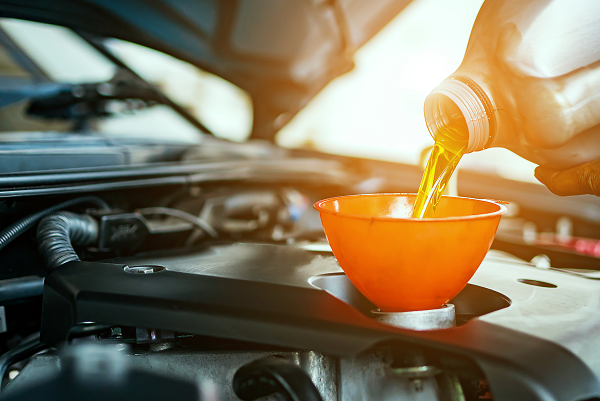
Engine oil degrades over time and with use. It accumulates combustion byproducts, moisture, and metal particles from normal engine wear. Fresh oil lubricates, cools, and cleans internal engine components. Oil that has exceeded its useful life does this less effectively, and over time this accelerates engine wear.
Every oil change at Jands includes a drain and refill with the grade specified for your vehicle, a new filter, and a check of other major fluid levels — coolant, brake fluid, transmission fluid, power steering fluid, and windshield washer fluid. We'll flag anything that appears to be getting low or that looks overdue for replacement.
How often does oil need changing? It depends on the vehicle and oil type. Conventional oil in a typical vehicle usually needs changing around every 5,000–8,000 km. Full synthetic oil in modern engines can sometimes run longer — your owner's manual specifies the manufacturer's interval, and we'll advise based on your driving conditions.
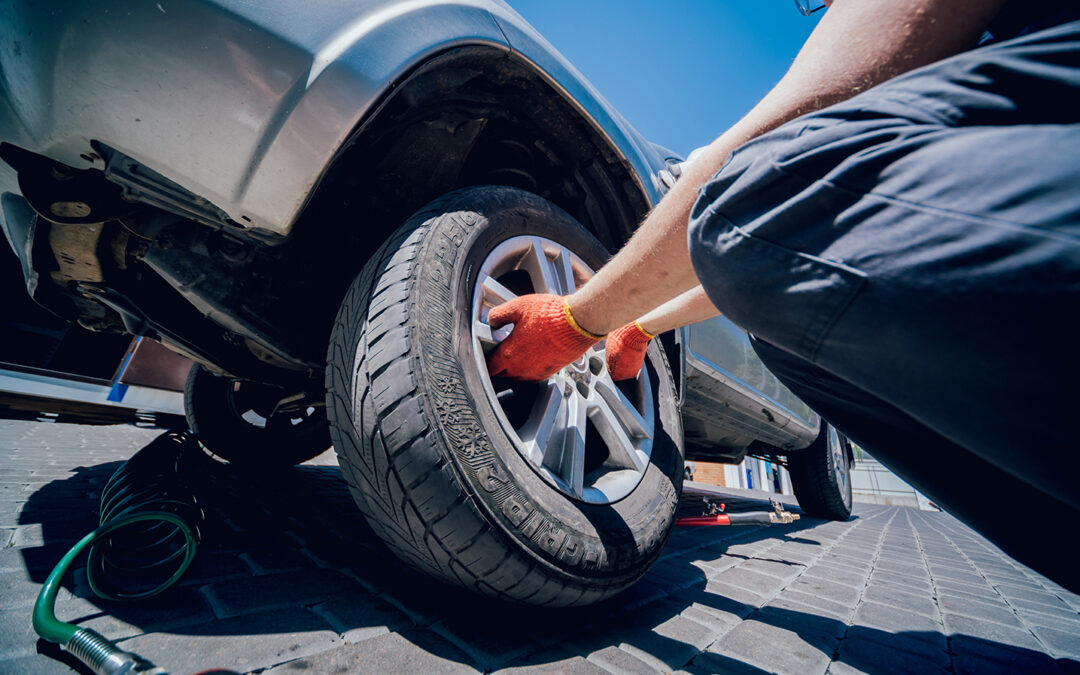
Tires are the vehicle's only contact with the road. Their condition affects braking, handling, fuel economy, and ride quality. Proper installation, balancing, and regular rotation help tires wear evenly and last longer.
We mount and balance tires for all vehicle types, including passenger cars, crossovers, SUVs, and light trucks. In the Ottawa area, seasonal tire swaps between winter and all-season or summer sets are common, and we accommodate this throughout the fall and spring seasons.
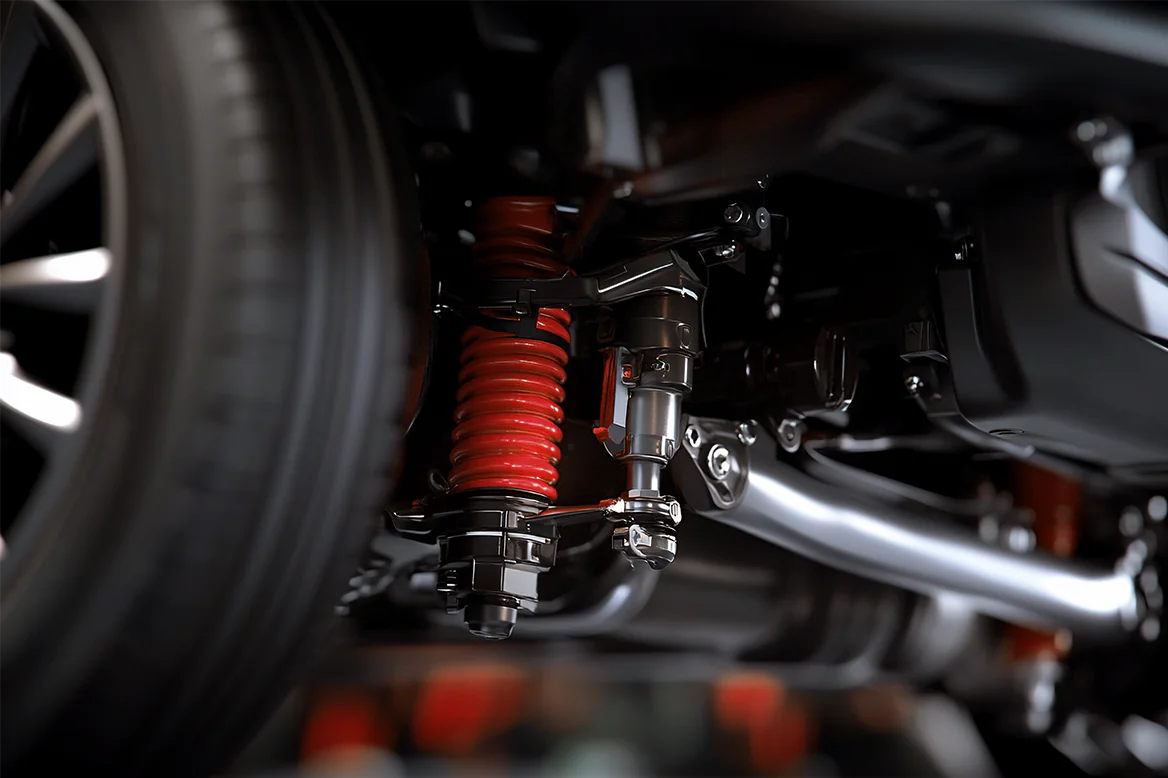
The suspension system connects the vehicle body to the wheels and manages the forces generated by road surfaces and cornering. Over time, shock absorbers, struts, control arm bushings, ball joints, tie rods, and sway bar links wear down. Ottawa's road conditions — including significant frost heaving, potholes, and rough transitions — tend to accelerate this wear.
Worn suspension components affect ride comfort, handling predictability, and tire wear patterns. They can also create uneven loading on brakes. Identifying and replacing worn components restores the vehicle's intended handling characteristics and can extend the life of tires.
A vehicle's battery provides the power required to start the engine and supports the electrical systems when the engine is not running. In Ottawa winters, cold temperatures significantly reduce a battery's available cranking power — a battery that starts your vehicle reliably in September may fail in January if it is approaching the end of its service life.
Battery issues often aren't just the battery itself. The charging system — alternator, voltage regulator, and wiring — needs to be in good condition to keep the battery properly charged. A weak alternator can drain a battery even when the vehicle is running.
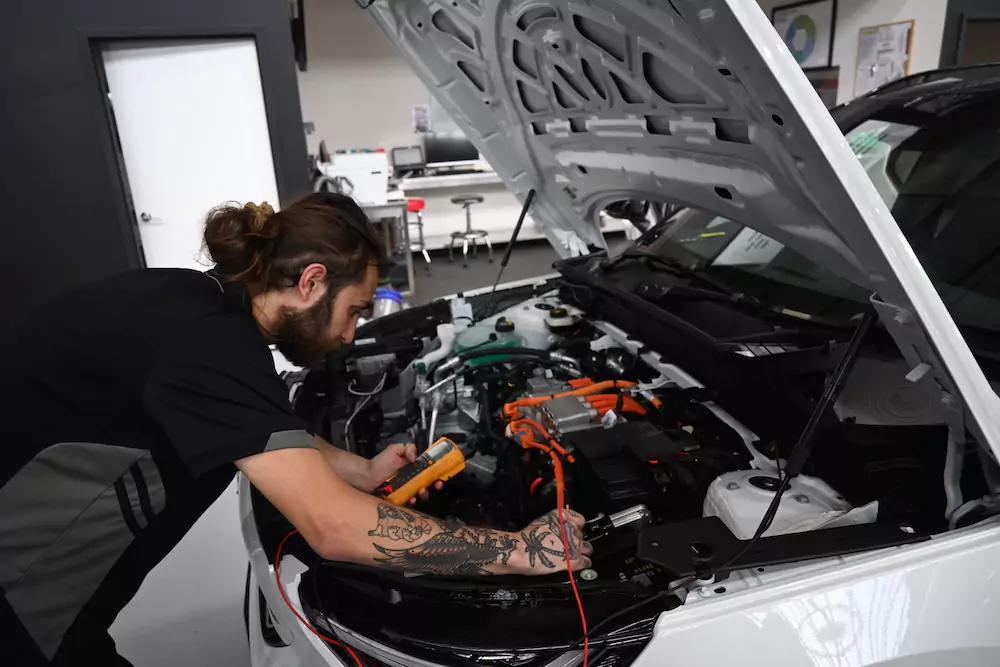
We conduct a load test on the battery to measure its actual capacity, not just its voltage at rest. We also check the charging system output and inspect connections for corrosion or looseness.
Average battery life: 3–5 years under typical Canadian conditions. Cold climate, lots of short trips, and frequent accessory use can shorten this. We recommend a battery health test before each winter season.
Call us or use our online contact form. We'll confirm availability and provide an estimate before any work begins.